
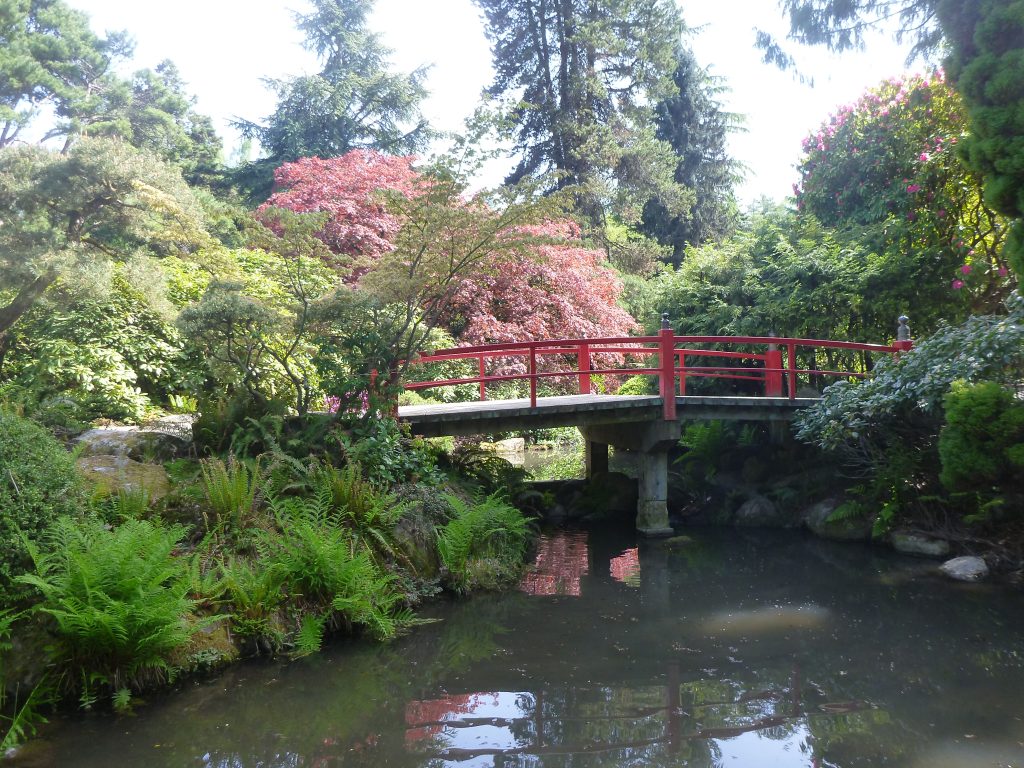
From October 9 to 11, Seattle hosted the tenth Cascadia Poetry Festival, organized by Cascadia Poetics LAB. The program offered three days of readings, workshops, and conversation, centered at Rainier Beach Community Club and reaching out to nearby places, among them Kubota Garden and Chinook Beach Park. We announced the festival in January, and we are glad to celebrate it now.
A festival with a definition of place
The festival holds its programs within the Cascadia bioregion as defined by David McCloskey, the Seattle University sociologist who first used the name Cascadia for a bioregion in 1981. McCloskey died in July. That definition ties the festival to the oldest layer of this movement, and the published program reflected it. A Saturday panel took up Cascadia as a field of action, under the heading of bioregional poetics. A Sunday memorial reading honored poets lost in 2026, with a tribute to McCloskey among them.
What the weekend offered
The published program included workshops with poets such as Tess Gallagher and Gary Copeland Lilley, a walking workshop to Kubota Garden, evening readings, a Sunday reading in the garden itself, and panels on bioregional poetics and on poetry and politics. More than two dozen poets were listed on the program.
Why a bioregional movement cares about poetry
Poetry is one of the oldest ways people learn a place. In Cascadia, poets have been part of this movement for a long time, writing the rivers, forests, and neighborhoods into a shared language. A map can show where a watershed ends. A poem can show what it is like to stand in one.
Keep the poetry going
Cascadia Poetics LAB keeps the work going between festivals. Subduction, a spoken word series, meets on the first Wednesday of each month at Vermillion in Seattle. On December 12, the Lab offers I Want to Write a Poem (But Don’t Know How), a Cascadia 2050 workshop. Registration is also open for the 2027 Poetry Postcard Fest, now in its 21st year. You can find these on our calendar.
If you were there, we would love to hear what you saw and heard. Send photographs, notes, or a few lines of your own to cascadia@deptofbioregion.org.
Photo by BWorks, CC BY-SA 3.0, via Wikimedia Commons.
