
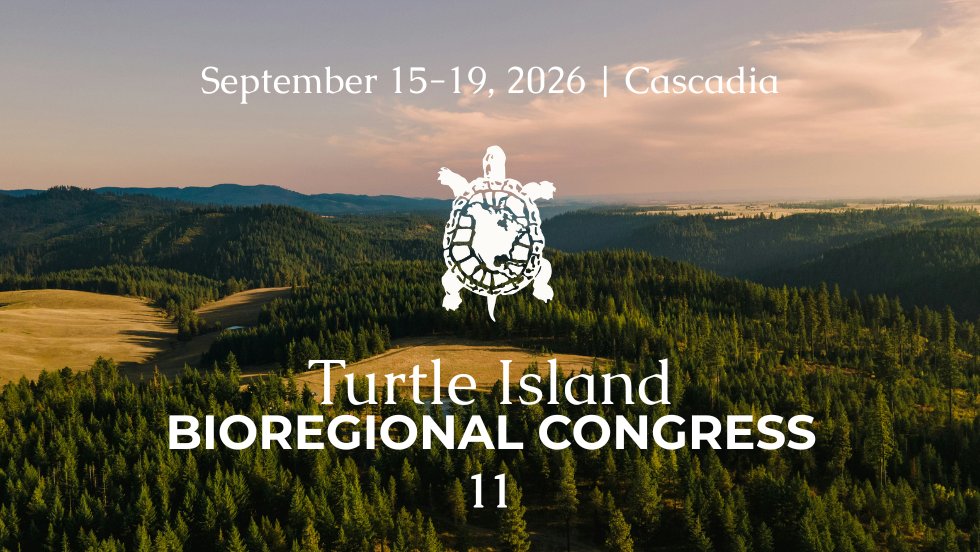
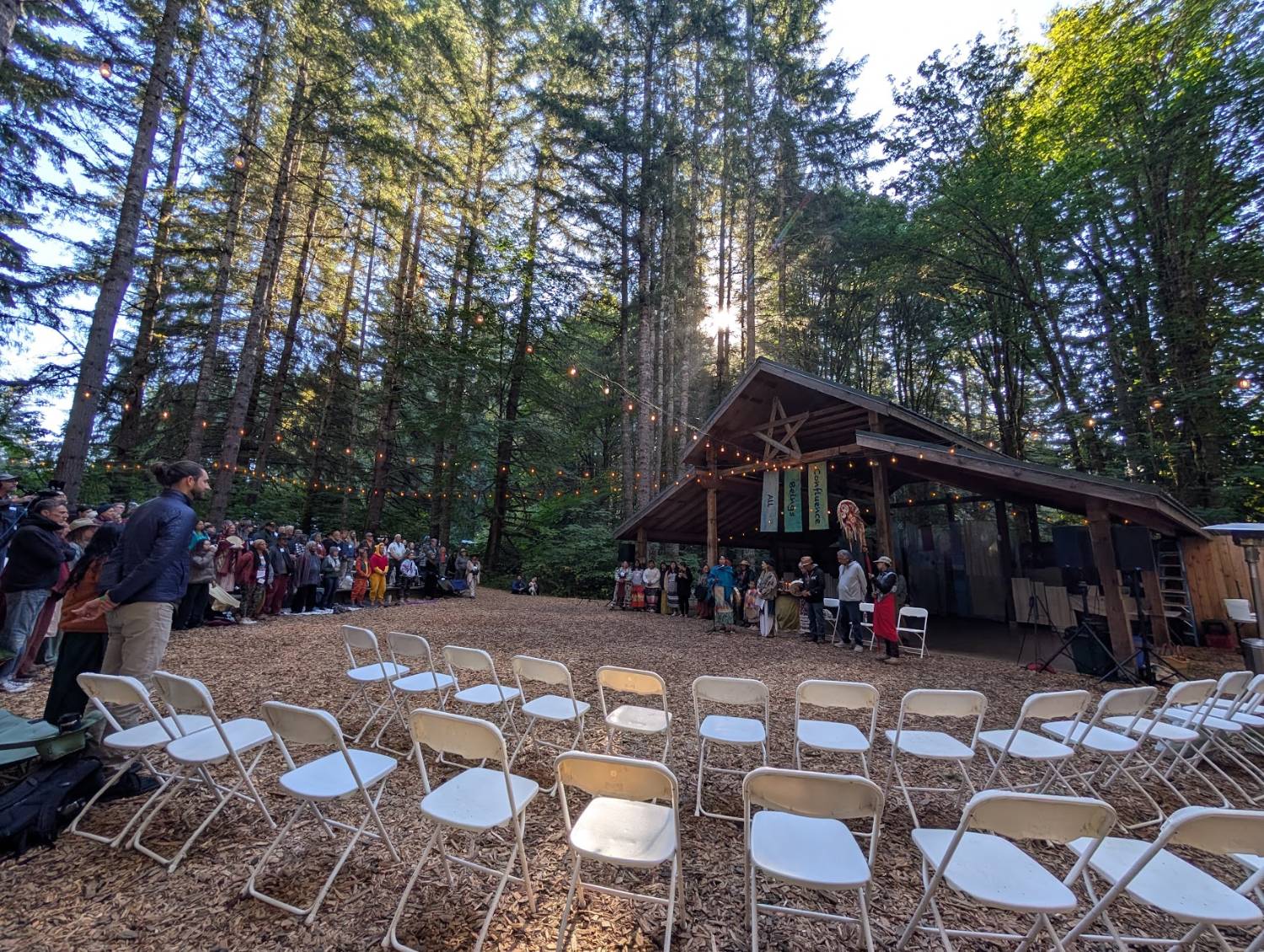
The Turtle Island Bioregional Congress came back to the continent this September. From September 15 to 19, nearly 270 people (the Pachamama Alliance’s estimate) gathered at Camp Cedar Ridge in Vernonia, Oregon, for the eleventh Congress and the first in 17 years, on the ancestral lands of the Confederated Tribes of Grand Ronde and the Confederated Tribes of Siletz Indians. The Department of Bioregion is grateful to Greg Archuleta of the Confederated Tribes of Grand Ronde for welcoming everyone to those lands.
The Cascadia Department of Bioregion served as the Congress’s fiscal sponsor, holding its accounts and administration so that a volunteer organizing team could give its attention to the gathering itself. That team of five (Karie Crisp, Clare Brodeur, Lilly Falconer, Bill Baue and the Department’s Brandon Letsinger) carried the Congress from idea to reality, and the Department is honored to have stood behind them.
The Department is also proud of how Cascadians showed up. Regenerate Cascadians, elder Cascadians and Cascadians from across the bioregion brought leadership, a shared identity and a spirit of welcome, and the quality of the relationships formed at Camp Cedar Ridge is what gave the Congress its value.
Cascadia’s place at the table
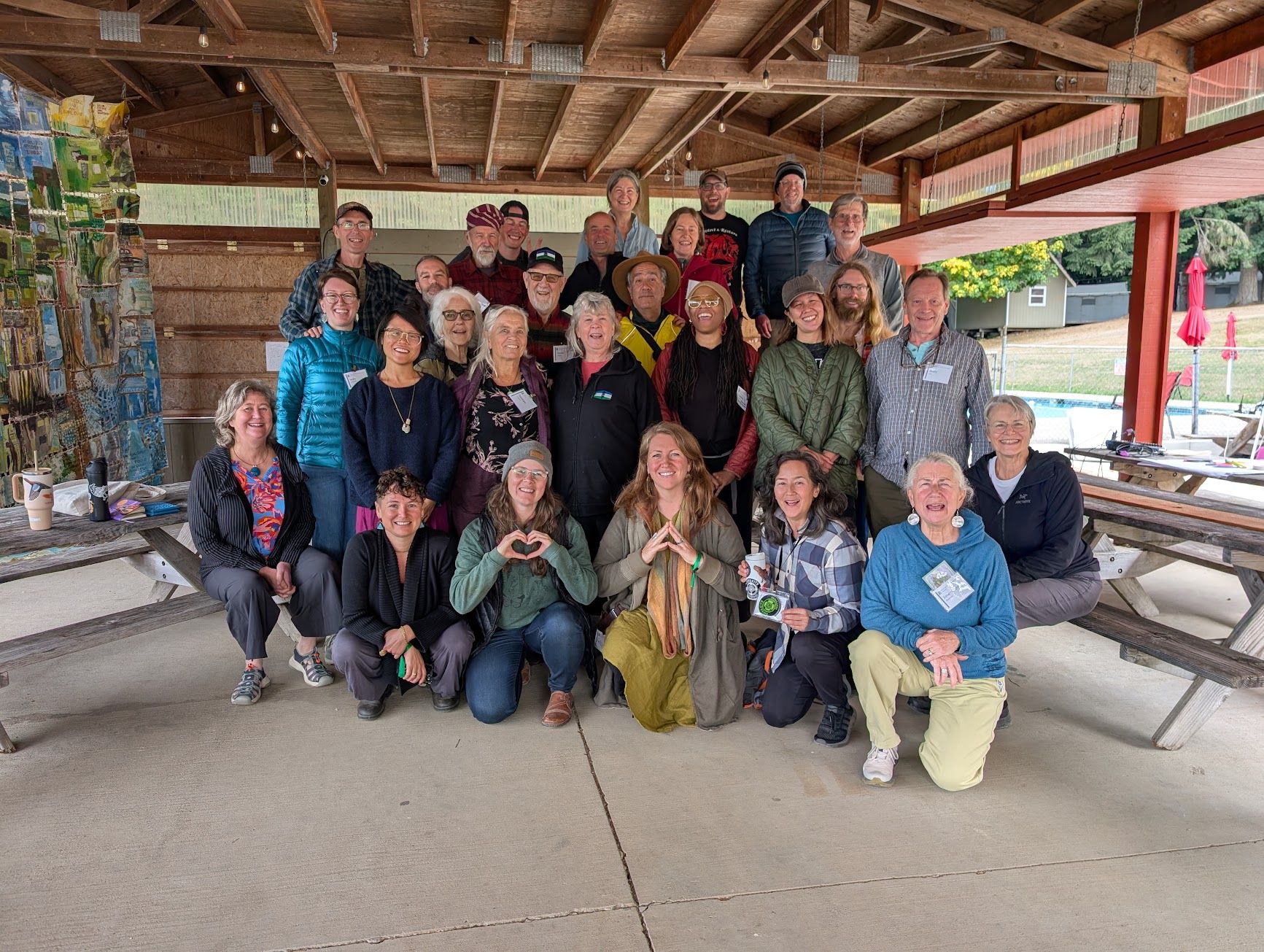
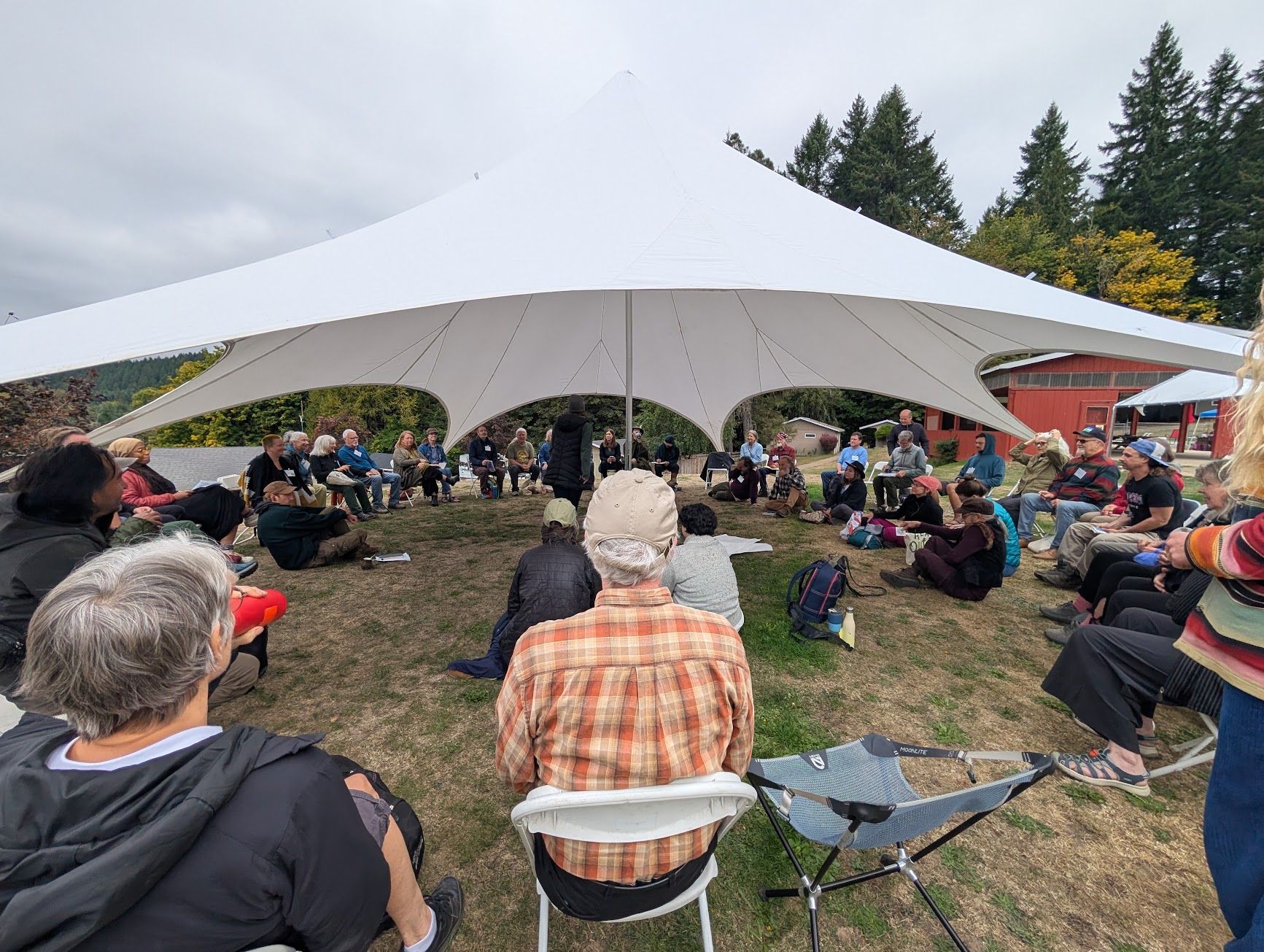
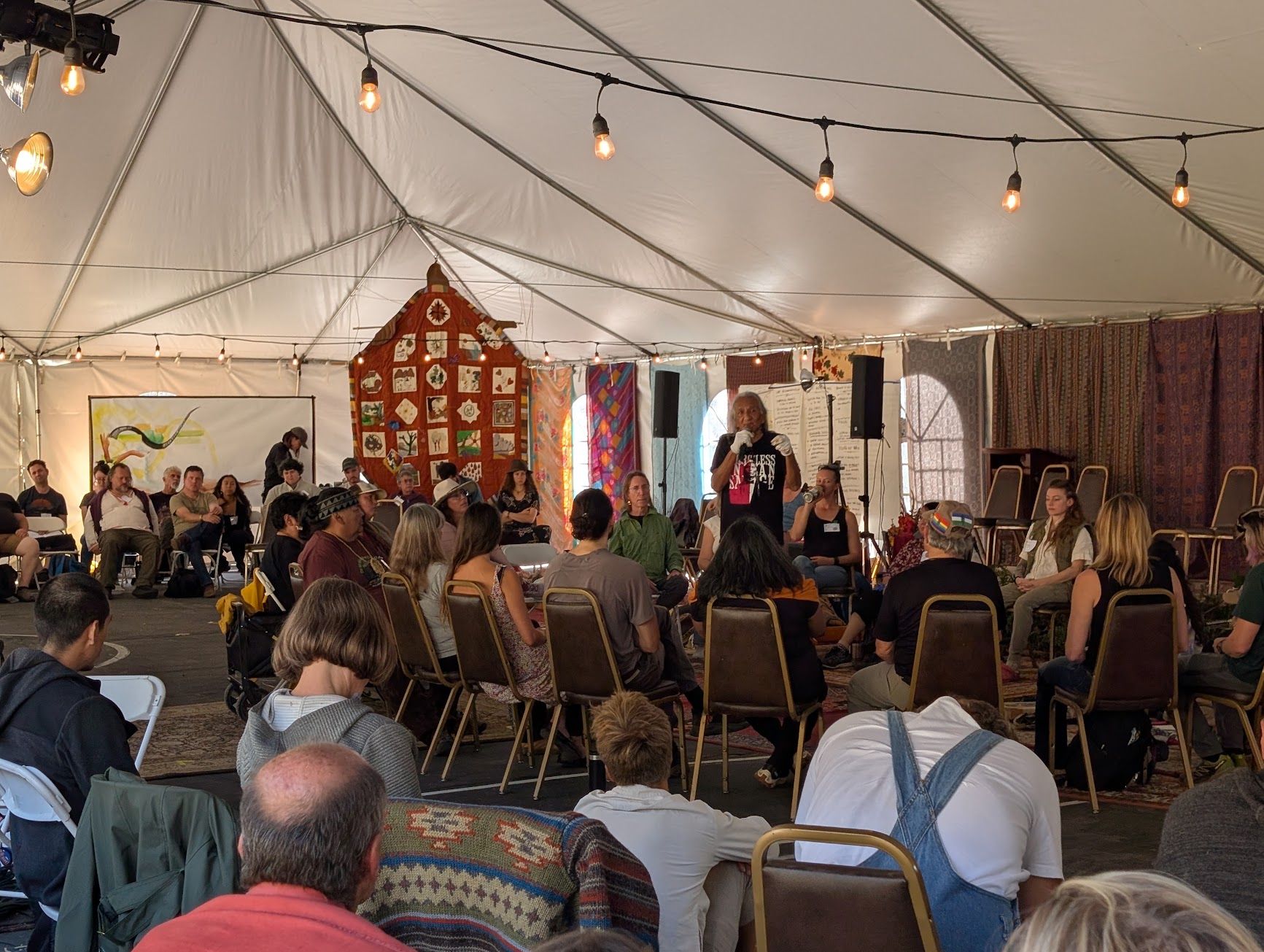
The Department was delighted that 130 Cascadians joined the Congress, and that about 80 of them came to the Cascadia organizing breakout. Participants formed smaller circles by place: the Salish Sea; the Willamette Valley; the south, down to the Eel River, Ashland and the Klamath; and Columbiana and interior Cascadia. For a bioregion that spans two countries and many watersheds, those conversations gave neighbors from across the map a chance to sit down together.
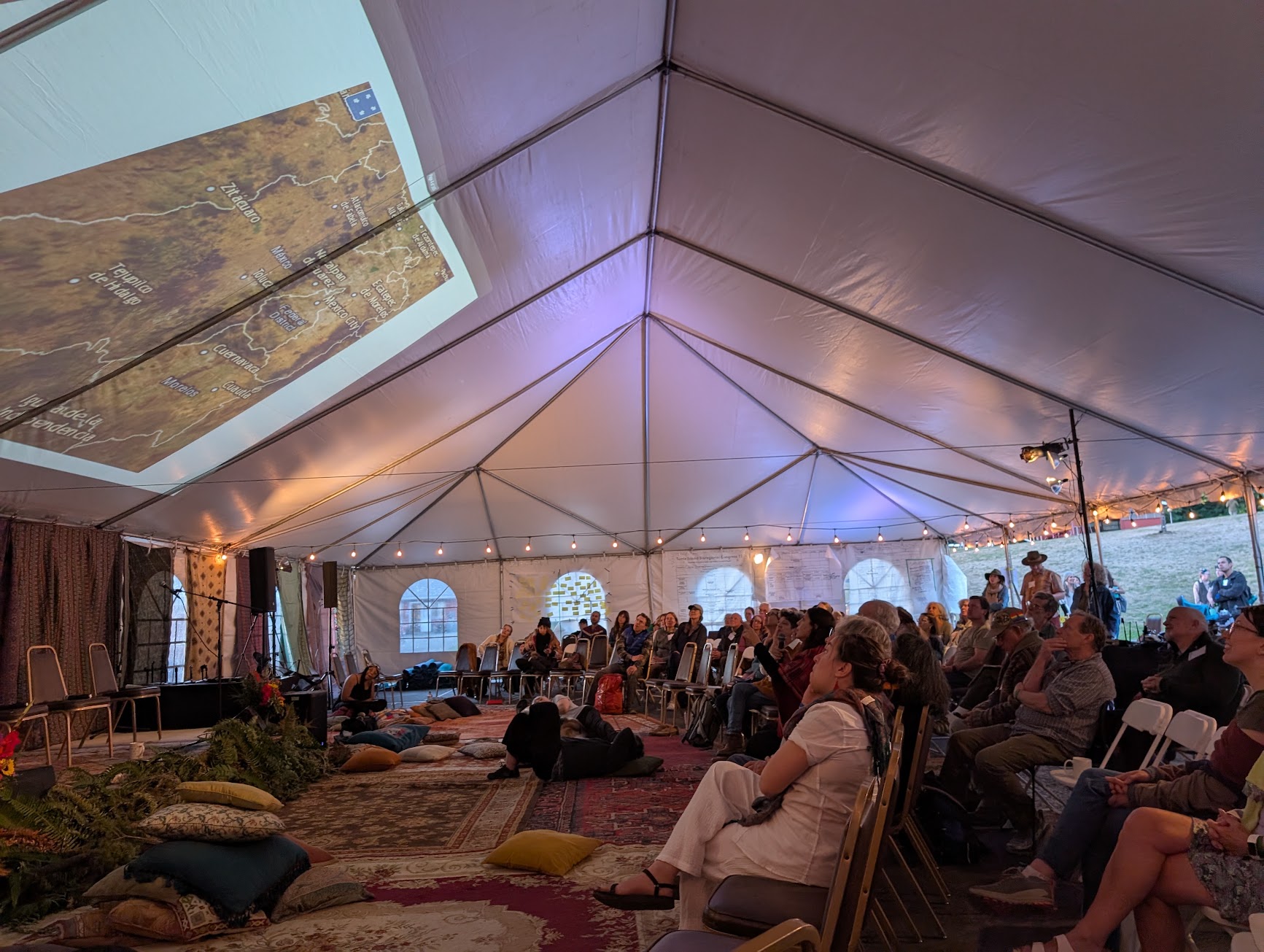
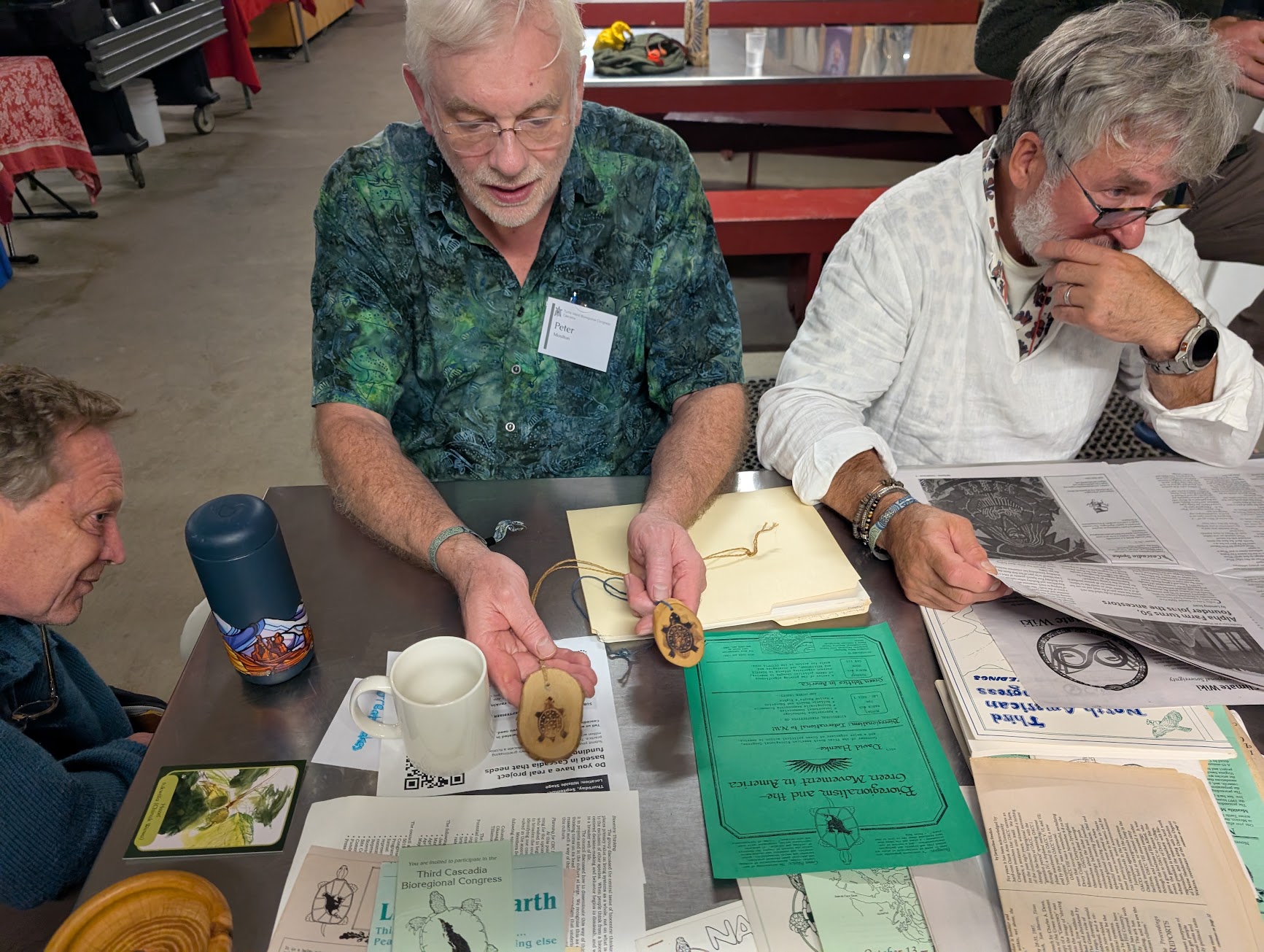
The program was continental in scope. Working groups took up Rights of Nature, seed security and watershed restoration; colleagues from Mexico shared their decades of work to protect the Water Forest of central Mexico; and the week included a Council of All Beings, a ceremony for missing and murdered Indigenous relatives, and a closing circle with a spiral dance. It also carried history. On display in Vernonia were the proceedings of the 1986 Cascadia Bioregional Congress at The Evergreen State College, a reminder that Cascadians have been congressing for four decades.
The Congress in photographs

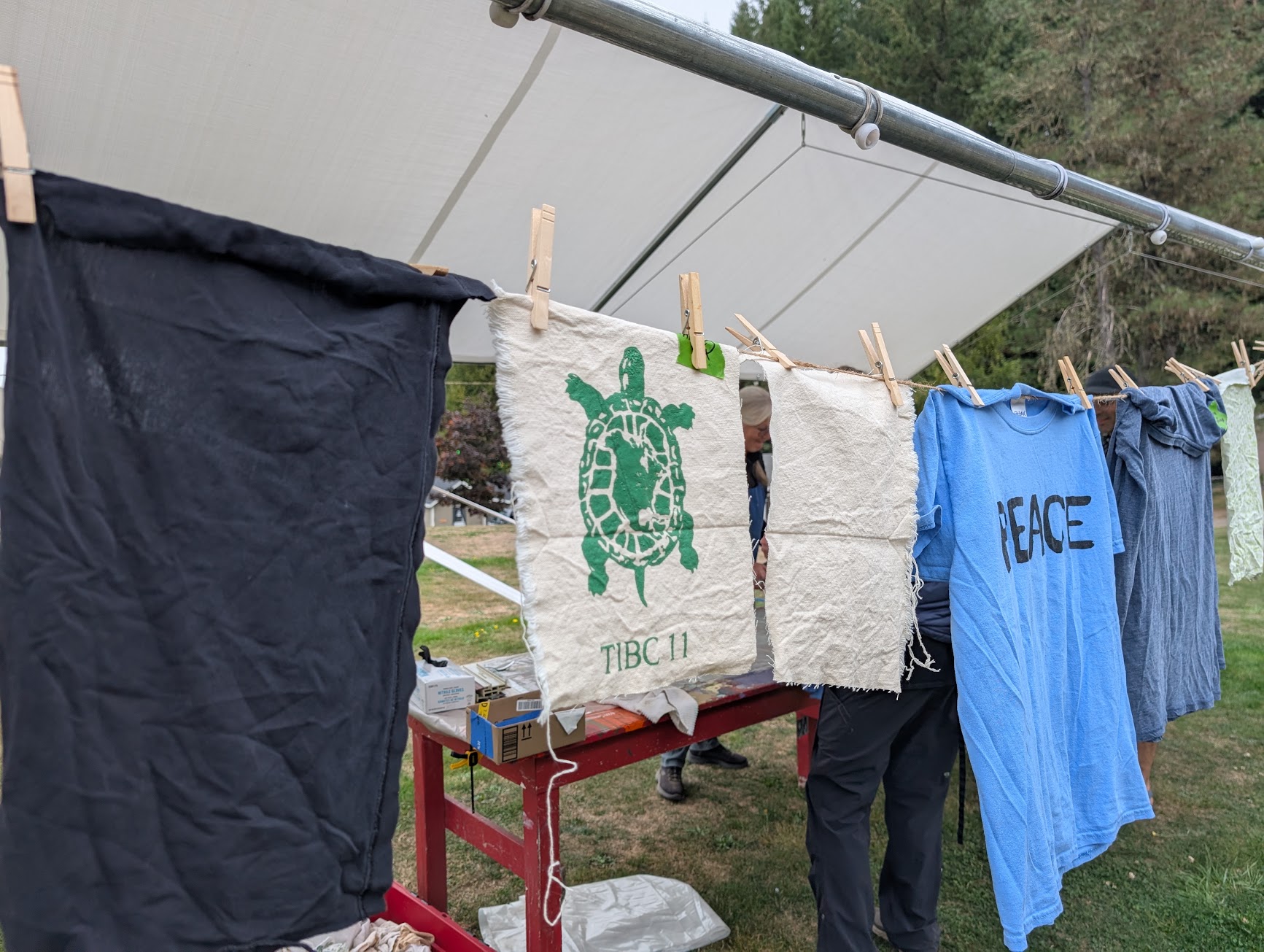
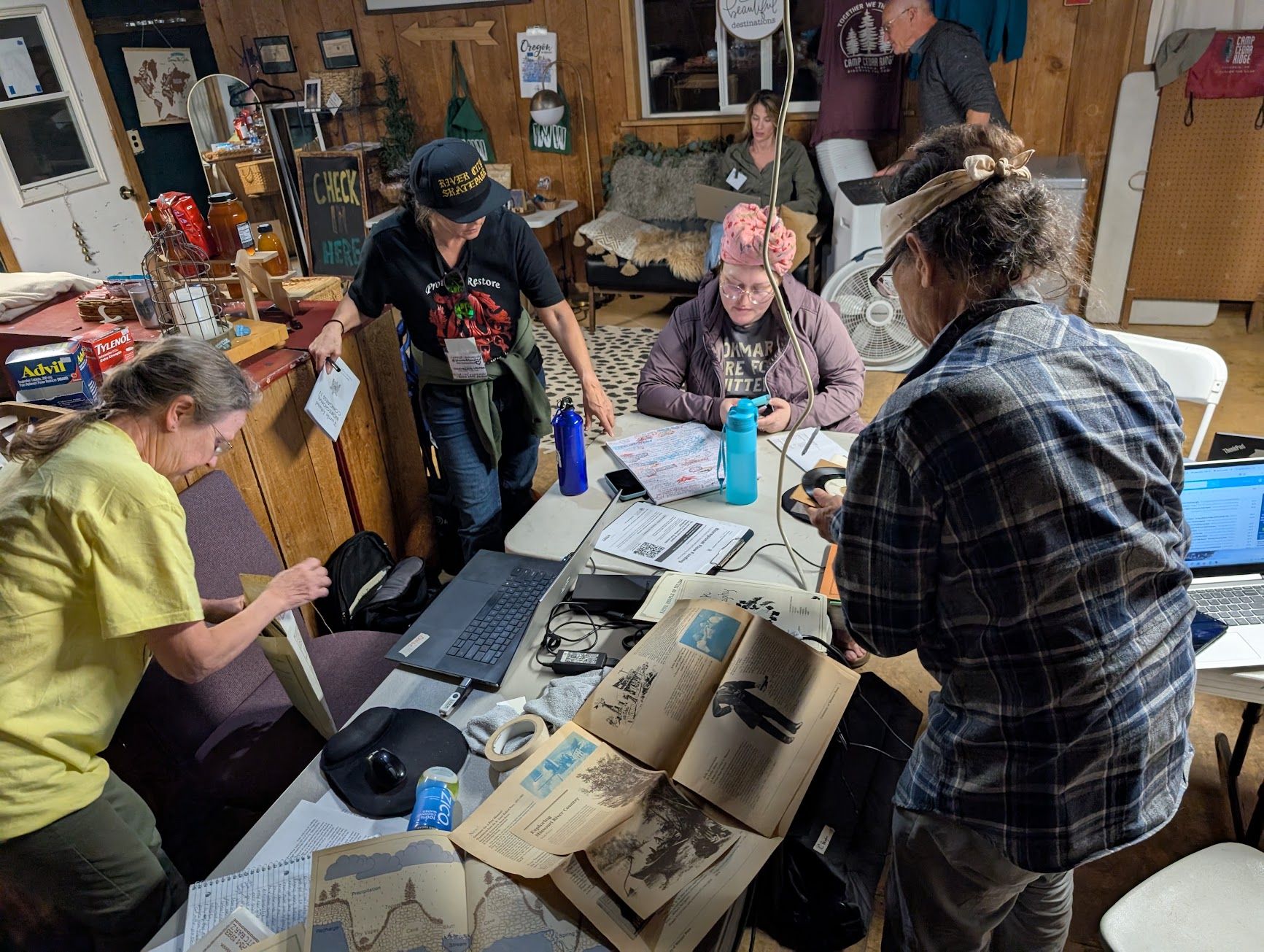
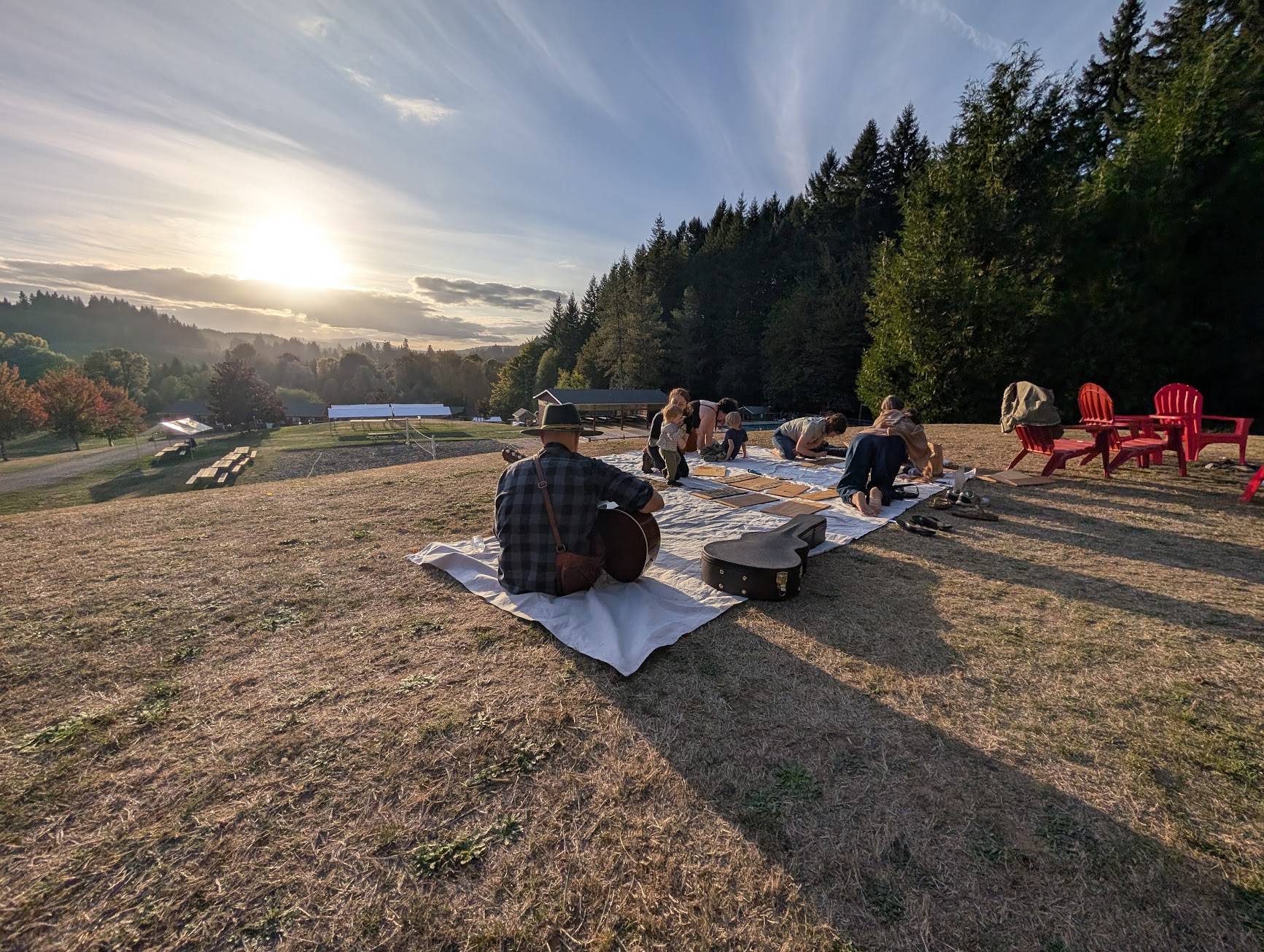

What participants told us
At a community call on October 22, seven small groups shared what they had harvested from the Congress. The reflections were candid, constructive and generous, and the Department is glad to pass them along as a guide for the work ahead. Participants said the Congress gave them:
- time together in person, from one-on-one conversations to first meetings;
- an experience of Indigenous and non-Indigenous peoples gathering together, and a great deal to learn from Indigenous cultures and presence;
- moments of beauty and joy, from the closing circle and spiral dance to the art making and the dancing;
- a sense of lineage, linking people who had attended earlier congresses with those who were there for the first time.
And they offered clear ideas for the next gathering:
- open with the land, the sacred and the history of the place and the movement;
- have elders and wisdom keepers help hold the space from the beginning, and consider an elder council;
- favor circles and small-group conversation over long stretches of presentation, the difference one group called conferencing versus congressing;
- meet by bioregion at the start, and consider regional gatherings before the next continental one;
- choose a clear shared purpose, such as Rights of Nature, and pair it with an action toolkit;
- prepare with earlier proceedings, training in consensus and decision-making, and intercultural work;
- bring the arts in from the start, with artists as bridges.
What comes next
The Congress’s volunteer organizing team is closing out its work, including the proceedings and feedback, and has no plans to host another continental congress. The bioregional movement has always been grassroots, and the Department takes the energy generated in Vernonia as an invitation: its purpose in 2027 is to support the gatherings that grow out of it.
A year of Confluencing, Converging and Congressing. The Department is excited about a 2027 in which Cascadians gather in their own places, converge across the bioregion and keep congressing together. Interior Cascadia is already imagining a Columbiana Bioregional Congress, and the circles formed by place in Vernonia are natural starting points. Local teams organizing a confluence, event or gathering anywhere in Cascadia can request 501(c)(3) fiscal sponsorship from the Department at cascadia@deptofbioregion.org, and anyone ready to begin can start on our Start a Group page.
November 7. For anyone interested in learning more, Regenerate Cascadia, the Department’s program, hosts the 2027 Cascadia Kickoff Jam online on Saturday, November 7, from 10 a.m. to 1 p.m. Pacific, with breakout rooms for passions and projects, topics and landscapes.
Here is how to take part:
- By October 31: send photographs, art, poetry or short reflections for the Congress Proceedings to info@tibc11.earth. The Proceedings will be published as a PDF with the program, the Voice of the Turtle, a budget breakdown and anonymized feedback.
- Share feedback through the feedback form. Anonymous feedback is included in the Proceedings.
- Contribute to the Bioregional Action Toolkit through its online submission form, and join the toolkit’s space in the Hylo group, which also hosts a member directory. Add your location and contact details there, and make sure your local or topic group has a Hylo group of its own.
- Watch for the recordings. The film team aims to post them on the TIBC YouTube channel before the end of the year. Subscribe to be notified.
- In January or February 2027, the Department will host an online Bioregional Movement Envisioning session for anyone ready to lean in and step up. Details will follow.
- Support the Congress. It is a project of the Department of Bioregion, and donations remain welcome. To support the wider movement, visit Support the Movement.
- New to the Cascadia Movement? Join the Cascadia Movement and see what is happening near you on the calendar.
Reflections from participants
These reflections from participants and organizers offer a range of views. Each is one person’s account:
- Aryeh Shell for the Pachamama Alliance: Moving at the Speed of Trust: Reflections from the Turtle Island Bioregional Congress
- Bill Baue, Congress co-organizer: The Gift of the Turtle Island Bioregional Congress: Conflict Transformation & Collapse Resilience
- Samantha Sweetwater: Stand in the Authority of Your Aliveness: Reflections from the Turtle Island Bioregional Congress 11
- The Congress organizers: Reflections on TIBC11
With thanks
The Department thanks the dozens of advisors and earlier congress organizers who shared their wisdom; the Indigenous relatives who came, shared, listened and led; the facilitators and the Arts Council behind the Art Barn; the volunteers who produced the Voice of the Turtle each day; the film crew, the work-traders and the Camp Cedar Ridge staff; Hylo; and the donors whose gifts made it possible to welcome more than 60 people on free tickets. The organizers’ full list of thanks names many more. Thank you, Cascadia, for showing up and for carrying this home.
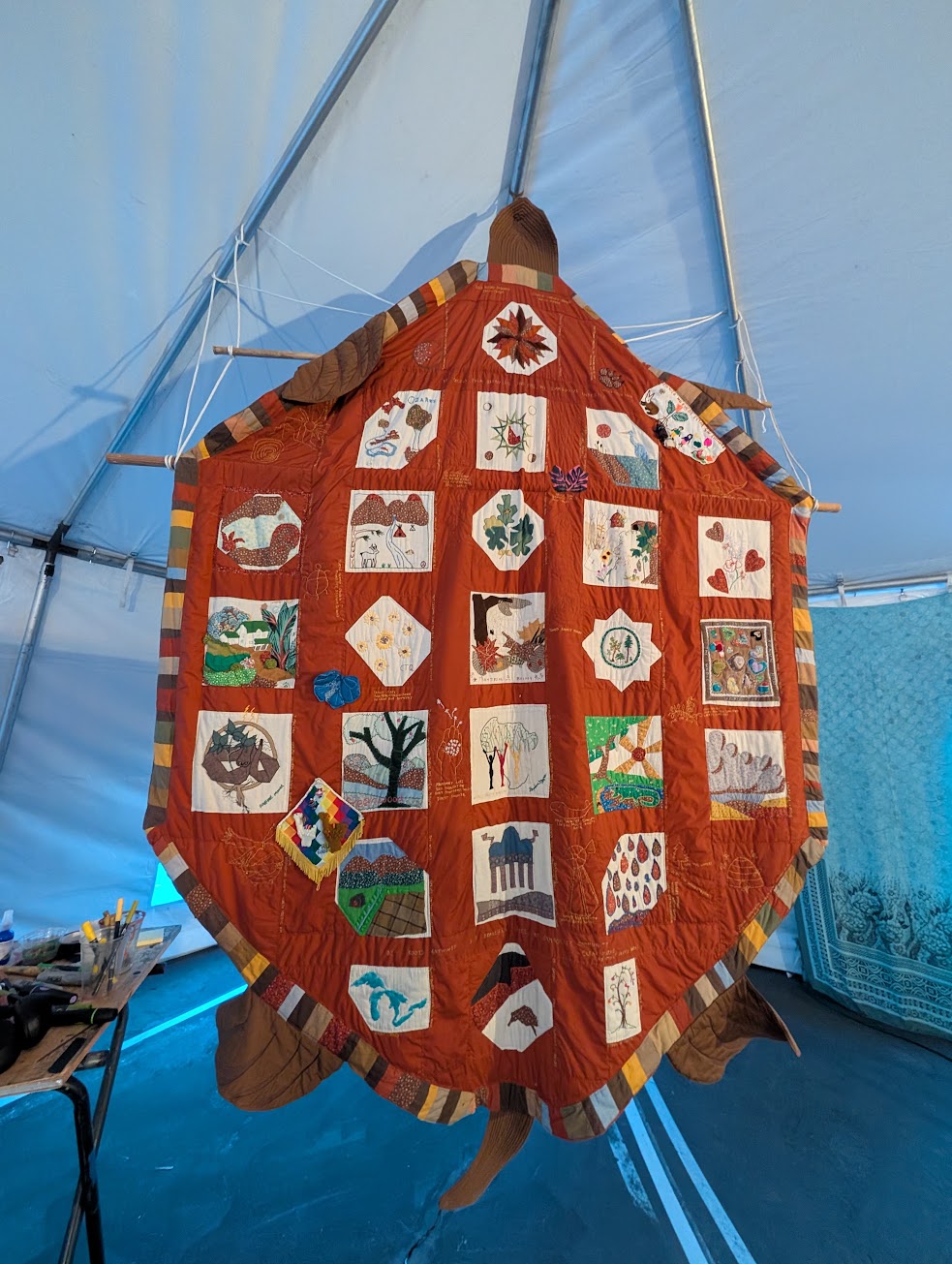
Featured image: the Turtle Island Bioregional Congress 11 banner.