How can we channel the rising bioregional momentum into coordinated action?
For Cascadians, the Bioregional Congress is an event you won’t want to miss! While we here at Cascadia Department of Bioregion focus specifically on cultivating bioregional identity, education, and coordination throughout the Cascadia bioregion, we see this event as a direct link for our supporters to make the connection as a Cascadian and as a Bioregionalist to learn about actionable steps toward building the movement; the future we want to see. This gathering is for people who are actively engaged in stewarding land, culture, and community, and for those ready to step more fully into that work.
September 15 - 18, 2026
Vernonia, Oregon
Brief History
Since the term ‘Cascadia’ was adopted in 1981 by Seattle University professor David McCloskey, the idea of growing a regional identity spread widely in the 1980’s. The first Cascadia Bioregional Congress was held at Evergreen State College in 1986, bringing together a wide coalition of back-to-the-landers, ecologists, first nation organizers, policy planners, and community organizers.
Participants adopted a philosophy called bioregionalism, a place based and grassroots approach that emphasizes sustainability, community self-determination and regional self-reliance, and the Cascadia bioregional movement was born. McCloskey saw the intersection of natural integrity with sociocultural unity as the distinctness that gives Cascadia its character.
In Cascadia:
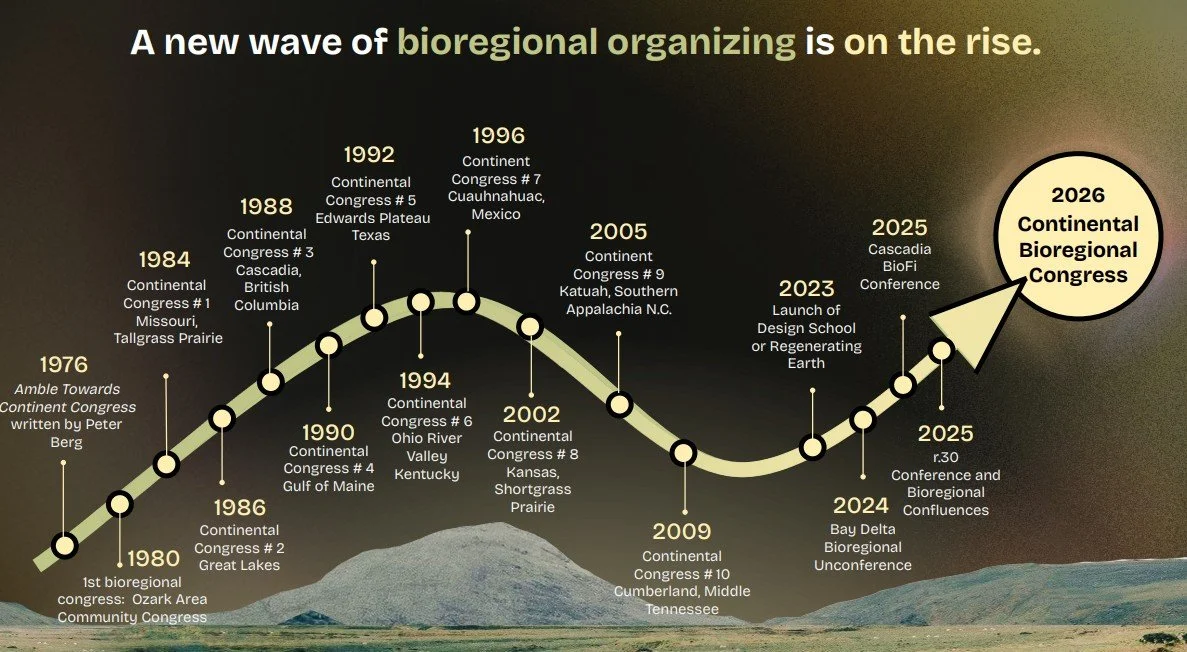
First Congress: Everett, Washington
Second TIBC: Detroit, Oregon
Third TIBC: British Columbia
And Congresses convened through 2009
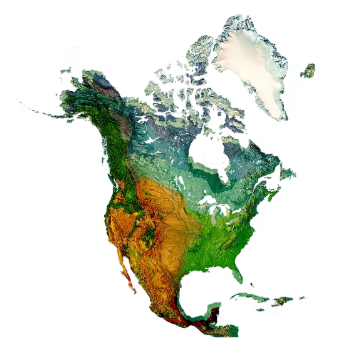
The Eleventh Congress
This new wave of bioregional organizing is on the rise; this is the time to channel the flow. We here at C-DoB, in tandem as Department of Bioregion, will support on the advisory board, collaborating with many of the global-wide top thinkers of modern bioregionalism. In fact, Department of Bioregion is the event’s fiscal sponsor. At this Eleventh Turtle Island Bioregional Congress, expect to convene with ~300 place-based allies, uniting with three goals:
1 - Grow the movement
2 - Build capacity
3 - Align on strategy
What is bioregional organizing?
Bioregionalism means working to satisfy basic needs locally, relying on renewable energy and sustainable agriculture, developing local enterprises based on local skills and strengths. Bioregionalism challenges and is an alternative to nationalism, corporate rule, and top-down globalization of our lives. Bioregionalism embraces the struggle around the world to preserve, restore and enhance the life of the distinct places that constitute the planet.
Can we gain greater control of our common destiny?
What happens at TIBC 11, will set the stage for place-based resilience in the years ahead We have a choice and a brief window in time to shape the future for ourselves and future generations. It is up to us, each in our way, to create and promote these changes and lead the way forward rather than wait for someone else to do it for us. And this is precisely the reason for Department of Bioregion holding the role of TIBC 11’s fiscal sponsor; this work of bioregionalists is important.
THE FUTURE IS BIOREGIONAL. Turtle Island Bioregional Congress - 11. September 15 - 19 in Vernonia, Oregon.
Want to learn more?
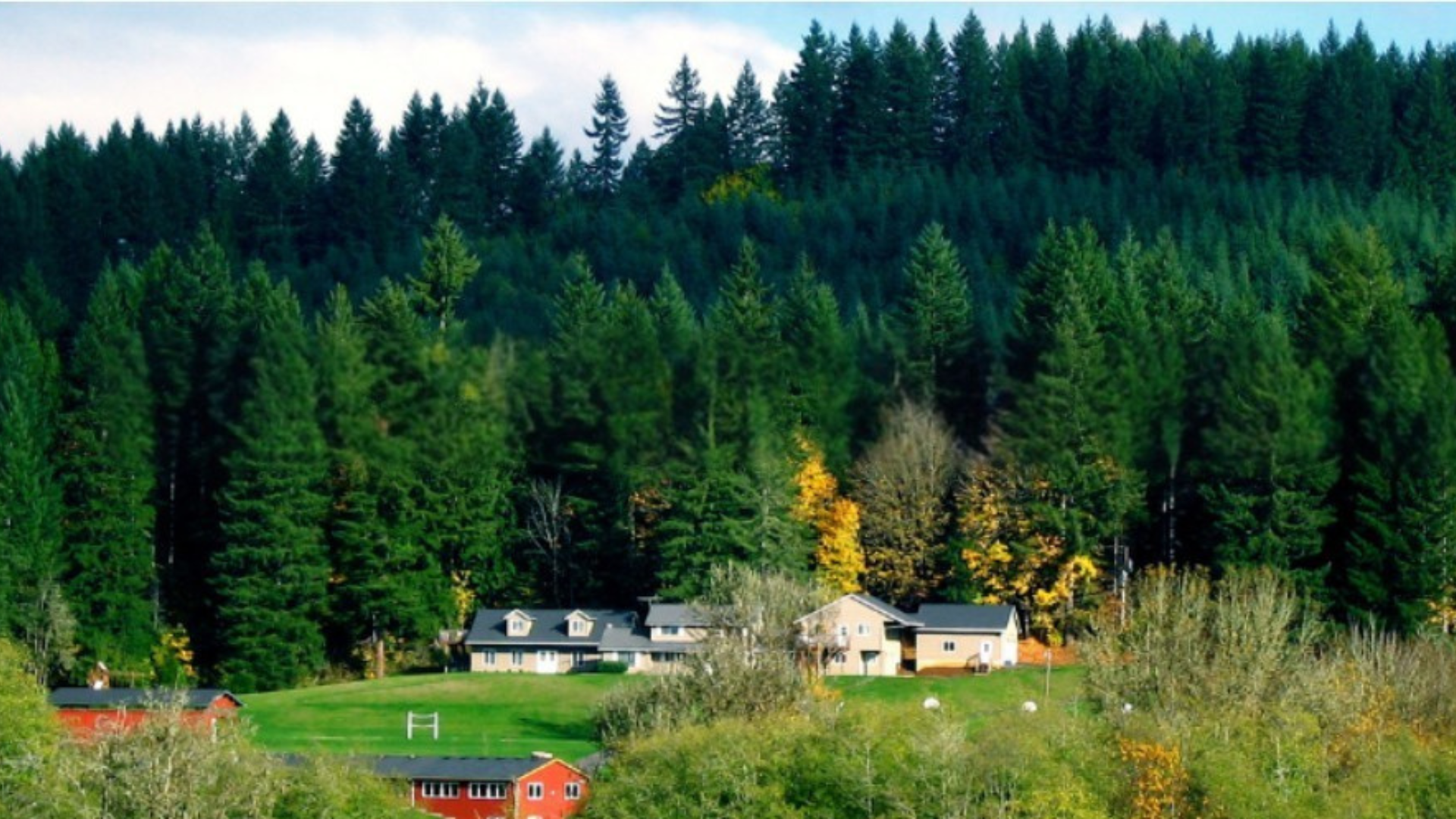
This is a camping event, with a limited number of non-tent accommodations. Be sure to submit this interest form to help the advisory committee with planning. For more information go to www.tibc11.earth
Interested in participating and/or supporting? Fill out the interest form here.
Press
A great article in Post Carbon Institute at Resilience.org by Richard Heinberg giving context and a mention about TIBC 11.
