The Cascadia Department of Bioregion is excited to announce our partnership with the student run StatCom program at the University of Washington. StatCom is a student-run volunteer organization that provides statistical consulting services to community and governmental groups.
Cascadia Culture Week Resource Kit
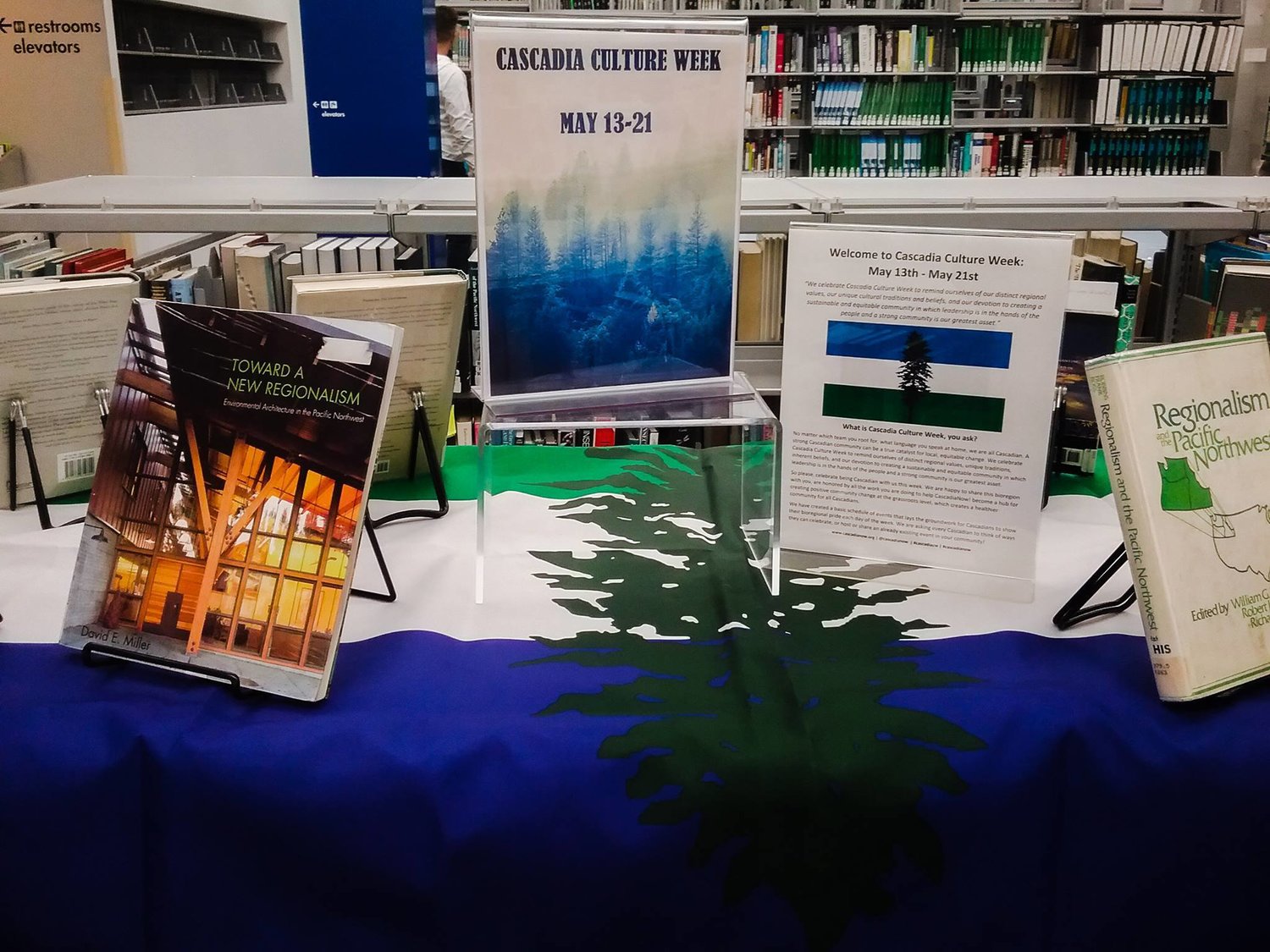
Cascadia Culture week is May 17th - May 26th this year. With it comes an opportunity to educate and celebrate our beautiful bioregion. We hope each of you join us in celebrating Cascadia Culture Week, the time before and after Cascadia Day each year in which we celebrate the incredible diversity and culture that make this region so wonderful.
5 Easy Ways to Celebrate Culture Week
Welcome to Cascadia Culture Week!
Cascadia Culture week happens every year the week before and after Cascadia Day. We invite every Cascadian to join with us and celebrate the wonderful and unique culture that makes the Pacific Northwest of North America so special, and to use it as a time to reflect and share with friends. With Culture Week, it comes an opportunity to educate and celebrate our beautiful bioregion.
Seeking a Social Media Intern!
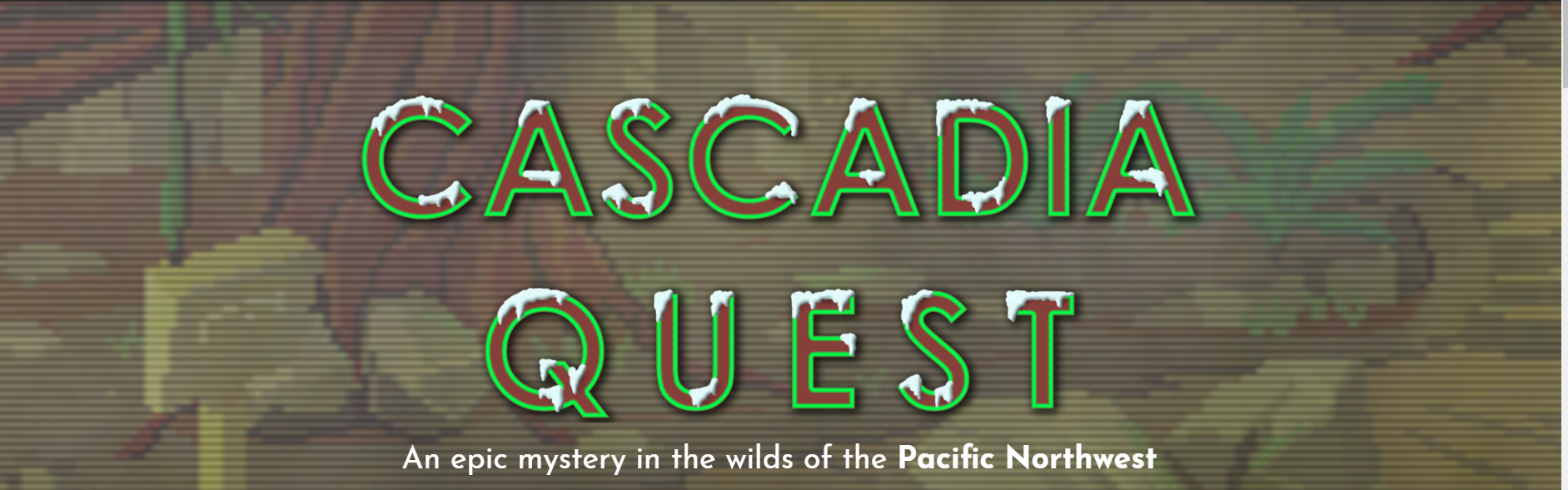
Cascadia Quest: An Epic Adventure for the Pacific Northwest
First Cascadia Home Match Announced Against Darfur United, July 27th 2019 in Kent, WA
Diplomat Introduction: Jay T. Conrad
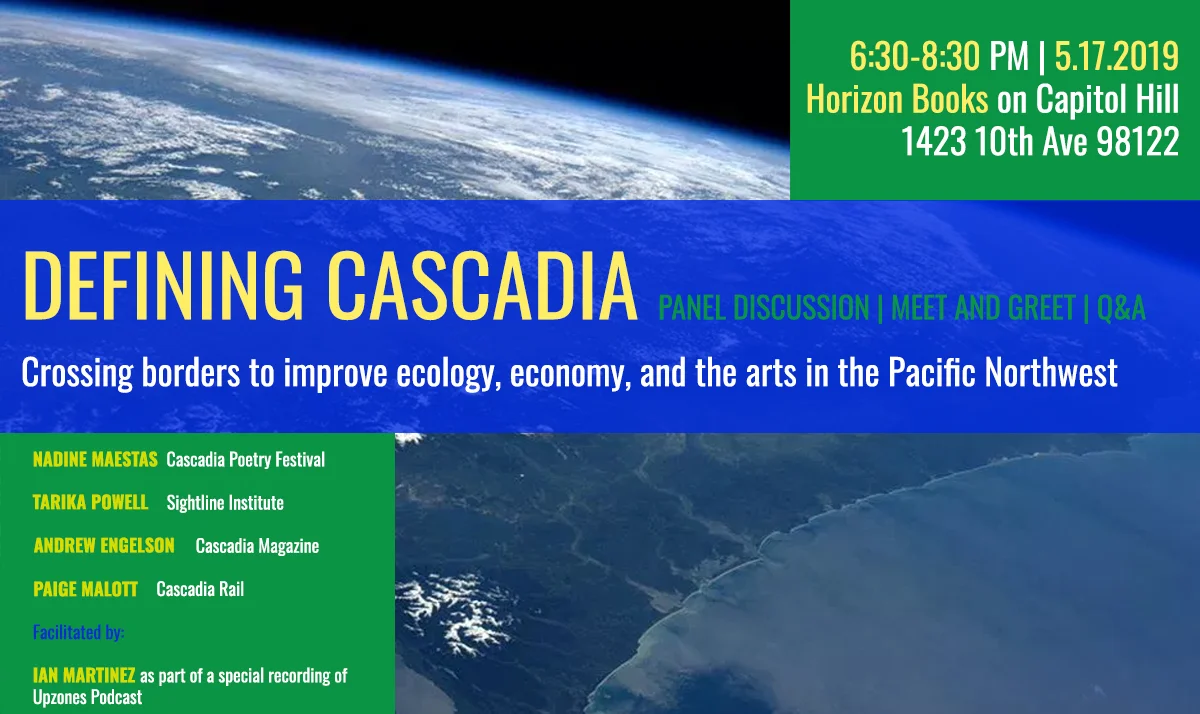
Cascadia Magazine Presents Defining Cascadia Panel Discussion: Crossing borders to improve ecology, economy, and the arts in the Pacific Northwest
For Cascadia Culture Week - Cascadia Magazine and UpZones Podcast present a public panel discussion about thinking beyond borders in Cascadia
Diplomat Introduction - Aaron Carasco
The Department of Bioregion is proud to include Aaron Carasco in the Diplomat Corps as an Attaché of Education. Aaron is a life-long Cascadian, born in Oregon and currently living in Seattle. He is a Mentor Teacher in the field of Early Childhood Education. Read more to see how Cascadian education is on the raise.
2019 Cascadia Culture Week is Coming!
2019 Solstice Survival Guide: Everything you need to know!
Bioregional Essays: Bioregional Centres - Donella Meadows' Vision for Deep Local Change
The Department of Bioregion is excited to share an essay version of a letter read to the Leverage Points conference plenary on Friday, February 8th 2019 in Lueneburg, Germany by Isabel Carlisle and edited by Liz Clarke who help run the Bioregional Centre in South Devon, the United Kingdom.
Bioregional Passports have arrived, and they look awesome!
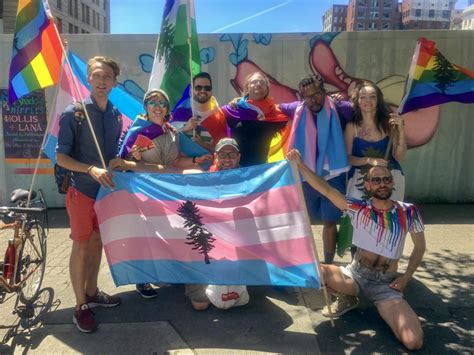
Stonewall Riot Leaders the focus of Cascadia’s Seattle PRIDE Parade entry.
2019 marks the 50th anniversary of the Stonewall Riots; the spark that ignited a global upraising for LGBTQI+ rights that continues today. This special year, Cascadia’s Seattle PRIDE Parade contingent will commemorate the activists and leaders of that storied event: Marsha P. Johnson & Sylvia Rivera.
Cascadia to celebrate solstice in Seattle
Case Study: Introducing the Bioregional Learning Centre in South Devon, United Kingdom
The Cascadia Department of Bioregion is excited to share this case study featuring the Bioregional Learning Centre located in the South Devon bioregion in the United Kingdom and explore how this group of passionate artists, academics and organizers has adapted bioregional organizing strategies to their watersheds.
How are you celebrating Cascadia Day? - Callout for Cascadia Day Actions/Activities
Your Chinook Wawa Word of the Day: Opitsah
OPITSAH
[O'-pit'-sah] or [UP-tsah] — noun.
Meaning: A knife; dagger; razor; something sharp
Origin: Chinook óptsakh "a knife". The word matches one of two Chinookan nouns for “knife” or “iron”.
While the English word “knife” was occasionally used from time to time, as seen in “hyas knife kopa hay” (scythe), the native word was used more often, as also in the case of “yotikut opitsah” (scythe) literally meaning ‘length(y) knife’.
Also, illustrating the flexibility and poetic nature of Chinook Wawa, the word “opitsah” also forms the basis of several interesting turns of phrase; while a fork was sometimes called “lapooshet”, it was usually addressed as “opitsah yakka sikhs” (the knife's friend) or “opitsah yaka tillikum” (the friend of the knife), an expression could also be used to mean "beloved" or "sweetheart" in the sense that love "cuts to the heart", or that "every knife has its fork". In a more general sense, it also refers to the fact that a woodsman survives by his knife, therefore his “opitsah sikhs” ("knife-friend") is someone he can't live without, be it partner, best friend, or lover.