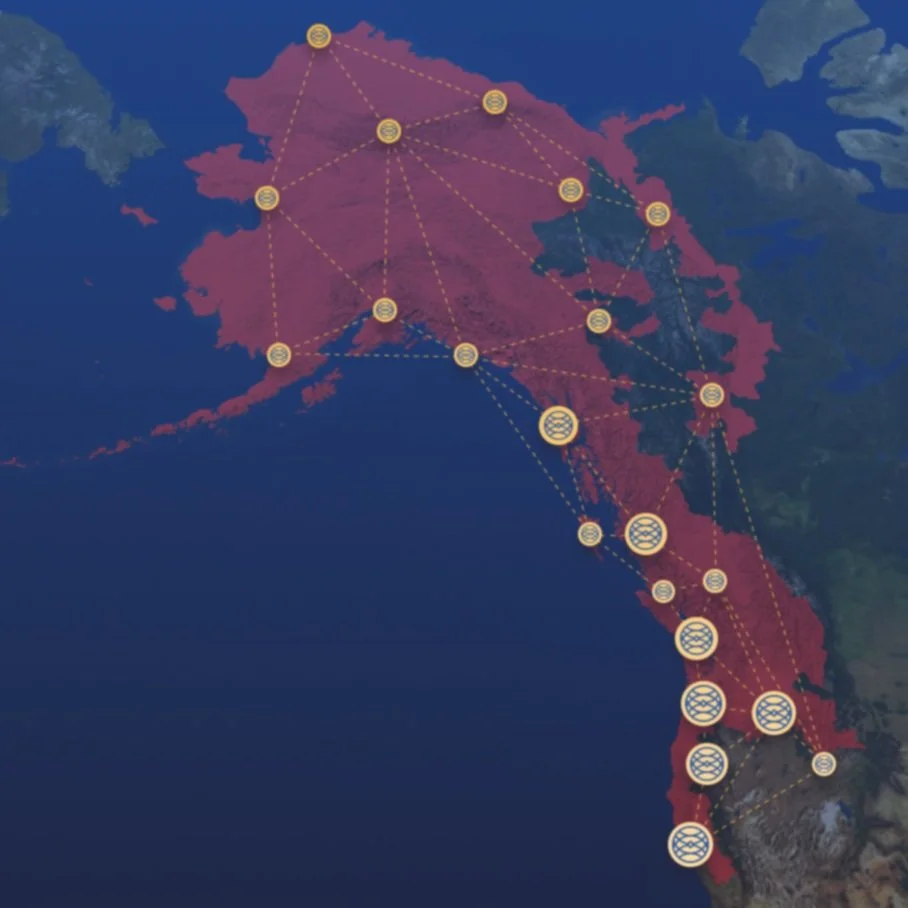


The book Cascadia Field Guide: Art, Ecology, Poetry - edited by Derek Sheffield, CMarie Fuhrman, and Elizabeth Bradfield, published by Mountaineer Books, officially releases on March 1st 2023 and is now available for pre-order.
A day to celebrate the unique dynamism of our bioregion and movement.
To Celebrate Cascadia Day, we are inviting anyone that feels so moved to share a picture, poem, song, story or short video in this thread that helps to share something of the essence of this amazing place we call home.
We are officially debuting Regenerate Cascadia in collaboration with Design School for Regenerating Earth and Regenerative Communities Network.
BIOREGIONAL REGENERATION SUMMIT
Oct 24- Nov 4, 2022
English & Español
Radical Collaboration between people and places.
Ways to share resources.
Peer to peer exchange of know-how and knowledge.
Regeneration of ourselves through a deep and authentic connection with Mother Earth.
The Cascadia Department of Bioregion will be excited to present “Why Bioregionalism Matters”. The time and day is still being confirmed, but stay tuned.

In recent years, many networks, organizations, coalitions, and collaborations have emerged to support regeneration at a bioregional and “landscape” scale. We believe we are at a moment when there is a need for and widespread interest in possibilities for “radical collaboration” so that these diverse initiatives can begin to function as a global ecosystem--one that can navigate the complexity of working across scales, across the private, public, and grassroots domains, and across the many interconnected systems where regenerative work is being imagined and enacted. The Summit offers an open and flexible invitation for participants to explore four connected contexts for this radical collaboration: How global networks can support one another How bioregions can support one another How funding innovation can support bioregional scale regeneration How we can support our emotional, physical and spiritual resilience as individuals grappling with the existential threats of the climate crisis, biodiversity loss, economic and social injustice, political fragmentation, and other dimensions of Collapse.
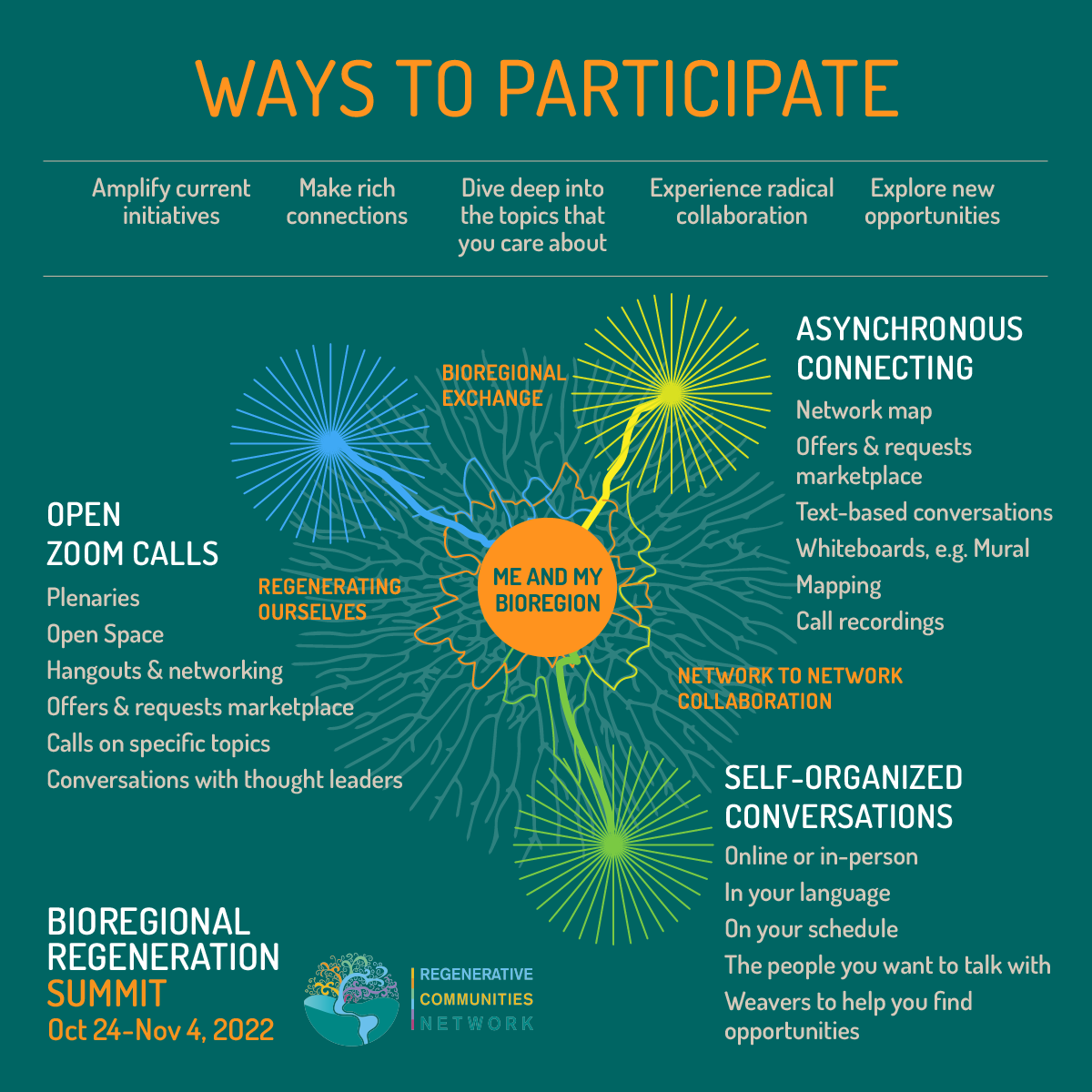
This scale of working maps itself onto existing places and landscapes in order to provide a meaningful and effective infrastructure for human-scale organising. Bioregions are an age-old organising principle that is being upgraded for the present age by many experiments taking place across the world. Out of that ferment of activity are emerging initiatives for environmental, social and economic regeneration that are place-appropriate.
The Summit will happen in the Qiqochat platform. After registration you will receive an email with the access.
The main agenda is a base to hold multiple conversations and connections. It can change during the event, go here often.
They are seeking an additional $15,000 to fully cover our time and expenses. Consider a donation of $25, $50, and $125.
Invite people to engage throughout the Summit on a topic or activity you care about. Frame your exploration with background information, questions and/or activities, and a way to share outcomes. Your invitation will show up on the Summit network map where participants can indicate their interest and self-organize their engagement, with support from the Summit hosts and a team of “weavers.”
The Regenerative Communities Network is a global practitioner collaborative of bioregional networks along with individuals and organizations who share a commitment to place-based initiatives for environmental, social, and economic regeneration. Originally founded by the Capital Institute in 2018, the Network has been independent and managed by its members since the beginning of 2021. After a period of inwardly focused planning and organizing, this Summit represents the beginning of a new phase of outward-facing work in service to the broader movement of which RCN is a part, along with a plan to grow RCN’s membership and surface new possibilities for it to generate value for its network.
Your RCN hosts for this Summit are Melina Angel (Colombia Regenerativa); Isabel Carlisle (Bioregional Learning Centre UK) and Ben Roberts (Connecticut River Valley Bioregional Collaborative).
With COVID, this was our first festival since 2019, and brought hundreds of folks out to Sedro-Woolley for a weekend of arts, music and fun. The entire purpose was to reconnect, gather and rekindle energy for hosting a full scale 2023 CascadiaNW festival. This year was also made possible with generous support of Arts WA, the Washington Chamber of Commerce and WA Festival Association.
On this page is a map of the known permanent village sites (c.1800) of the Coast Salish people who lived--and still live--in the Puget Sound area of Washington State. If you are interested in a particular group or area of the Sound click on the appropriate section of the small black and white map to the left. Then, a color map of the area you choose will download. It is only from these larger scale (smaller area) maps that you are able to access information about each of the villages.
After a two year hiatus due to COVID, Cascadia Northwest Arts and Music Festival is excited to return this year with an equinox gathering to reignite the magic and reconnection of the Cascadia community. While it will be much smaller than usual, the goal will be together in person, fundraise and build energy for a full return of the CascadiaNW festival in 2023.
The Department of Bioregion is excited to announce a partnership with the Cascadia Association Football Federation to help CAFF hit the field running in 2023. A ton of great organizing has been going on, and they are looking at a new run of kits, and fielding both a women’s and men’s Cascadia team in 2023 for friendlies and CONIFA matches.
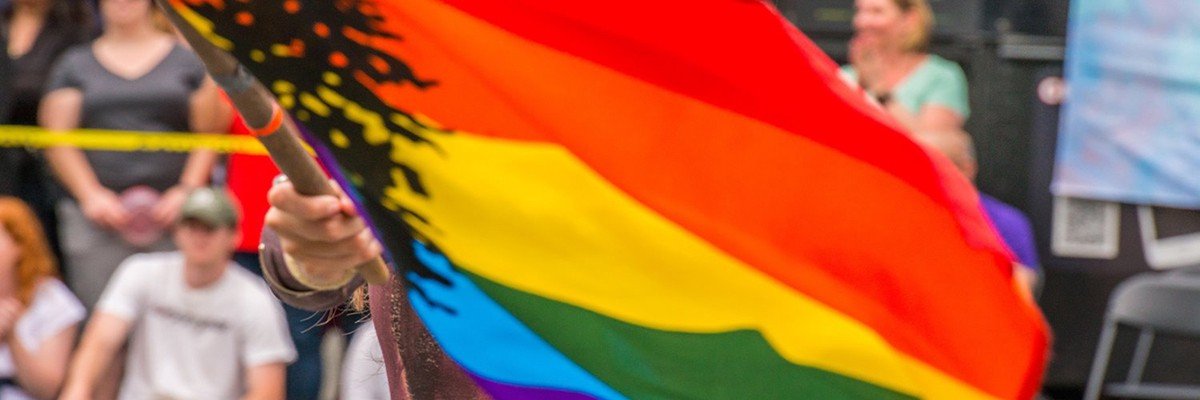
June is Pride month. We use this time to acknowledge the LGBTQ community and honor the memories of those who fought for their right to love and be equal. It’s an important time for all of us to reflect on the sacrifices made for equal rights, to celebrate progress in a freer society, and to recognize there’s still so much more to be done until freedom reigns truly for each of us.
The 2022 CASCADIA International Women's Film Festival is back! Live in-person May 12-15, and online May 19-30. They are based in beautiful Bellingham, Washington. Tickets are on sale now at http://cascadiafilmfest.org.
The Cascadia Underground, a Department of Bioregion program, is excited to share their first volunteer written article "Heat Domes and You" by Dennis Beaman, with more regular content to come. The Cascadia Underground is excited to be a space where any Cascadian can submit articles, audio or video about issues they care about.
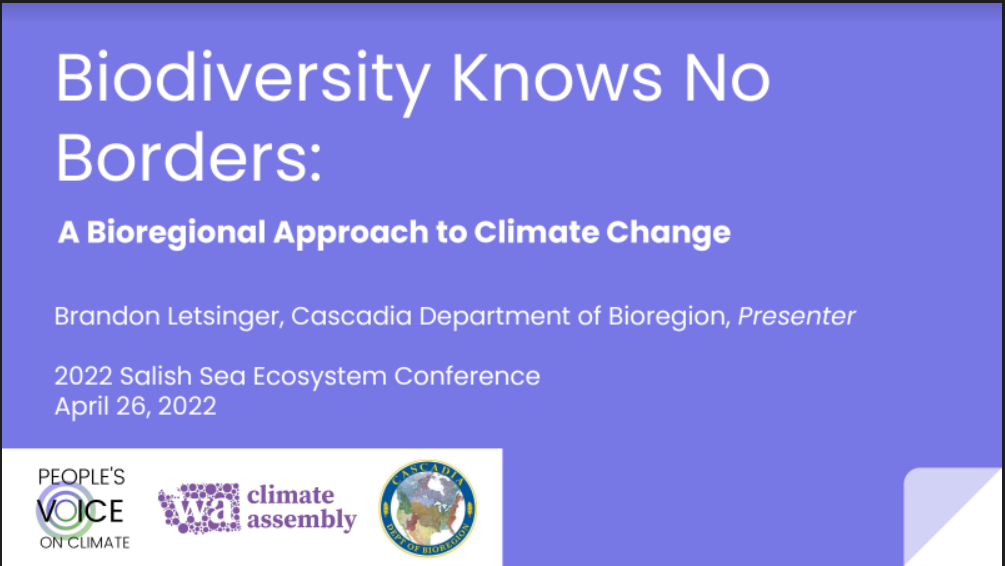
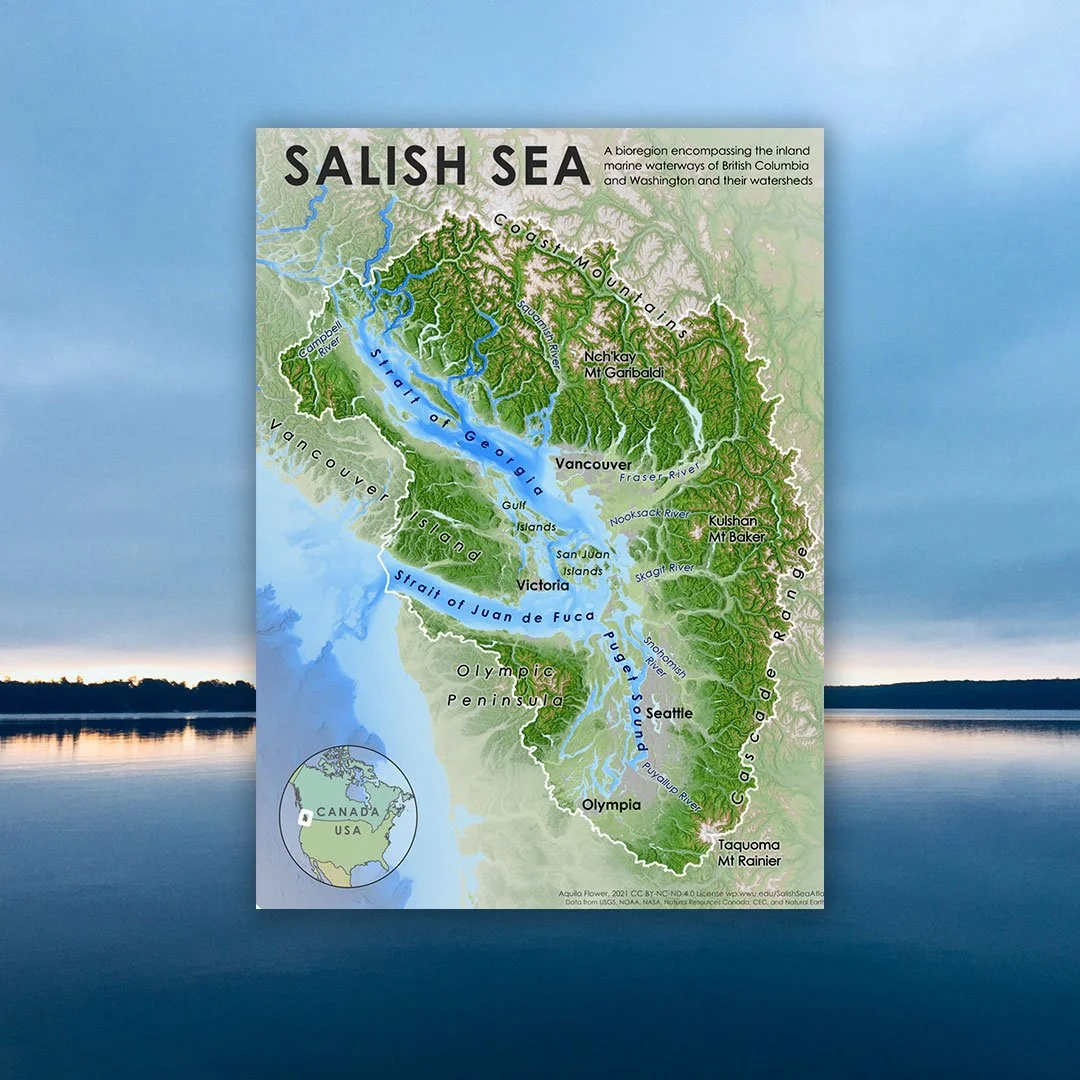
The Cascadia Department of Bioregion was excited to present with the People’s Voice on Climate as a part of a 90 minute presentation, panel and question & answer session on April 26th, 2022. The Panel Session: Climate Assemblies: Lessons learned and results from around the world and Washington state was part of the opening sessions, which brought more than 2500 policy leaders, advocates, academics and scientists from around the Salish Sea for a week of discussions geared around better stewarding our ecoregion and bioregion.
On April 1st 2022, social news site Reddit relaunched their strange, collaborative, combative art project known as /r/Place, the second of such a challenge, with the first taking place on April 1, 2017. As part of this project, several hundred Cascadians worked together for four days, day and night - to ensure we got an amazing Cascadia flag into the final image.
[me-SA'-chi] — adjective
Meaning: Bad; bitter; cruel; depravity; dissolute; dung; evil; filthy; grumpy; harm; immodest; immoral; iniquity; insolence; malign; naughty; nasty; obscene; sin; sinner; treacherous; ungodly; unrighteous; unruly; unworthy; vice; vile; wicked.
Origin: Chinook, masáchi “Bad”; “wicked” < Chinook masachi "evil","nasty","malign" (Chinookan languages of Washington and Oregon)
"Mesachie" (occasionally written as “mesahchie”, mesatchee”, or “masachi”) is used in Chinook to indicate anything worse than "Cultas" (bad). While there are other words in Chinook Jargon to describe spirits or malign forces and states of being, “mesachie” has only a negative meaning, representing something bad, vile, vicious in the sense of vileness, filth, dirtiness, vice, rottenness, etc., whether in the abstract or in the concrete. It is probably more often used to describe things as being obscene or depraved than in any other sense, though it covers the whole catalogue of things or conditions that are "worse than the worst," "rotten to the core," and all like ideas where the term "bad" does not reach far enough. It also means dangerous or "danger-from" vile things. The words used before or after it qualify its meaning, or couple the vile meaning with the ordinary meaning of any other word.
It has sometimes been translated as "naughty" or "mischievous" when used to describe a child, but this does not seem to embrace the malice and innate evil implicit in the context of this term, and appears to be used hyperbole (i.e. "evil child" as a scold). Generally it is a word understood to mean "the limit of human depravity" from all angles, and can be used to mean anything from simple “mesachie mamook” (misconduct) to a “mesachie tumtum” (mean spirited, malice) effort to “mamook mesachie” (to harm, to spoil) something.
A “mesachie klootchman” (harlot) may “haul kopa mesachie” (tempt) or “mahsh mesachie kunamokst” (adulterate), while a “mesachie man” (transgressor) could also be a “delate mesachie man” (a very wicked man), who might be a “mesachie tillikum” (enemy, rascal, sinner, villain) or a “hyas mesachie tillikum” (outlaw).
If one were to “wawa mesachie” (to curse, swear) or “mesachie wawa” (curse, slander), that might be considered one type of severity, though a “mesachie wind” (gale, storm, bad weather) could be considerably "elip mesachie” (worse), though there are things that would be classified as something "elip mesachie kopa konaway" (worse than all, worst), such as “mesachie tamahnous” (demon, fiend, witchcraft, necromancy).
Characters in a horror film will undoubtedly find themselves in "mesachie mitlite" (danger, peril, the place where bad is) in a place that is likely “hiyu mesachie mitlite” (unclean), and in a state of mind that is best described as “hyas mesachie” (horrible, horrid) or “delate hyas mesachie” (terrible, terror).
“Mesachie”, like many words in Chinook Wawa, has lent itself to many place names in Cascadia, including:

Mesachie Lake is an unincorporated community in the Cowichan Valley region of Vancouver Island, located 5 km (3.1 miles) west of the village of Lake Cowichan. Founded in 1942 by the Hillcrest Lumber Company, which built houses for its workers and their families, the community lies between the south shore of Cowichan Lake to the west, and Mesachie Lake to the east. The lumber company planted many non-native fruit and shade trees which have since been given heritage status.
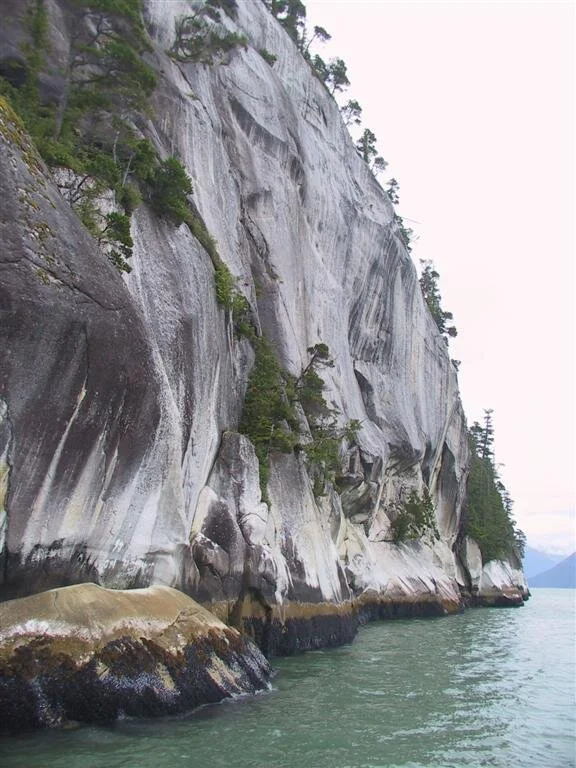
Mesachie Nose is a glacial formation point in British Columbia southeast of Labouchere Point with an elevation of 31 meters (101.7 feet) that plunges straight down into the water. The water here is frequently whipped into steep chop by the wind, and when a south-western wind is blowing, the Nose is apparently a bad place to be, as an unpleasant backwash can form off its precipitous cliff.

Mesahchie Peak, located 0.25 mi 0.40 km (0.25 miles) east of Katsuk Peak at an elevation of 2,681 meters (8,795 feet), is the highest peak of Ragged Ridge, and is one of the hundred highest mountains of Washington. The pass resides in a neighborhood of rich alpine splendor, and it is the north side of the mountain which provides the most inspiring climbing. There is a North Ridge, a Northwest Ridge, and icefall on the Mesahchie Glacier and an icy couloir route which joins the East Ridge. The easiest route is the South Rib, which requires exposed class 3 climbing and some route finding skill. Both the Katsuk and Mesahchie Glaciers descended down the northwest and northeast flanks of the peak respectively.

Mesatchee Creek is a stream located near Chinook Pass, off Highway 410, east of Mount Rainier National Park. At an elevation of 694 metres (2276.9 feet) above sea level, Mesatchee Creek has cut a rather substantial canyon as it flows down the side of the well-sculpted glacial valley, creating several waterfalls along its journey. This is the final major drop, where the creek skips down a jagged face and into a rather desolate ravine. The forest opens up quite nicely around the falls and in addition to the falls, views out over the valley with Mount Rainier looming in the background are well worth the hike.
[kwas] — Adjective, noun.
Meaning: Afraid, Awe; Distrust; Dread; Fear; Fearful; Shy; Tame; Timid
Origin: From a Chinookan particle k’wash ‘afraid’
Expressing notions of fear and hesitancy, the word “kwass” lends itself to an adequate description of a “kwass kalakala” (pigeon).
Scary movies are designed to “mamook kwass” (scare, frighten, alarm), and experience “hyas kwass” (horror) in order to “chako kwass” (frighten) us, or at least make us “kwass pe shake” (shudder).
A “kwass man” (coward) would be considered “kwass tumtum” (cowardly; fearful), and would likely say "nika kwass" (I am afraid). But if one was “halo kwass” (fearless, bold, hopeful) and “halo nika kwass kopa yaka” (reliable), they would be expected to say “halo nika kwass” (I will risk it).

Archive | Contact Us | FAQ | Search | Share | Subject Index
Accessibility Statement | Copyright Information | Diversity and Inclusion | External Link Policy | First Nation Partnership | FOIA | No Fear Act | Partnership | Privacy Policy | Safe Space Policy
The Office of Website Management, Bureau of Cascadian Public Affairs, manages this site as a portal for information from the Cascadian Bioregion Department. External links to other Internet sites should not be construed as an endorsement of the views or privacy policies contained therein.
Note: documents in Portable Document Format (PDF) require Adobe Acrobat Reader 5.0 or higher to view, download Adobe Acrobat Reader.